What to do with the camera-roll photos from the first months
A practical way to back up, shortlist and actually use the phone photos from a baby's first months, including when a studio session never happened.
The first months with a baby produce an unusual kind of photo library: hundreds of frames, many of them similar, some a little soft, and a few that you will want to find again. They live on a phone that is also used for messages, work and grocery lists, and a few months later it is not obvious what to do with the pile.
You do not need to turn every picture into a project. You need a short list you can find later, a backup that is not only the phone, and one or two simple ways to live with the pictures you care about. This is a practical plan for ordinary Australian households.
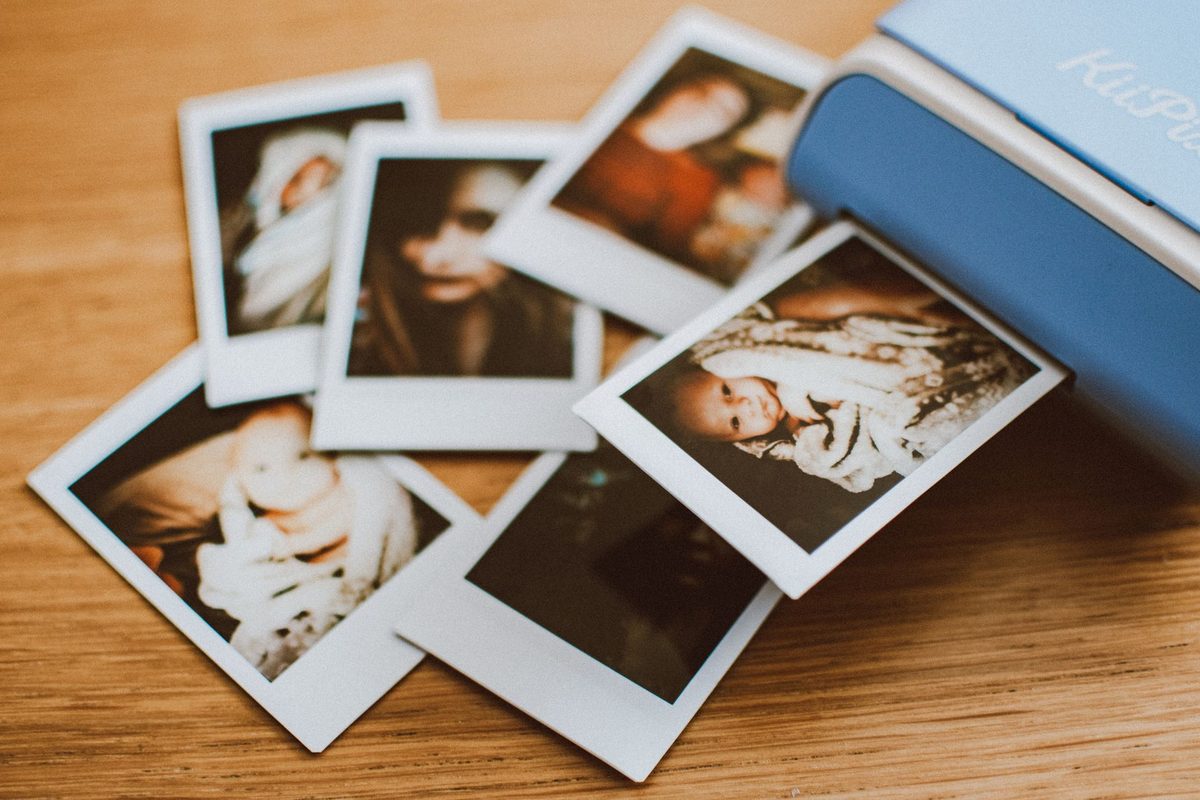
The roll fills up for a reason
Early photos are often taken in a hurry: a stretch at two in the morning, a visitor holding the baby, the first walk around the block. The lighting is whatever the room already had. Plenty of frames will be almost the same, and that is normal. The roll is a record of days, not a portfolio.
You are not behind because the pictures are imperfect, and you do not have to "catch up" by editing hundreds of files. The useful job is much smaller: keep a copy somewhere safe, choose a modest set, and decide how those few will be seen.
If two people share the care of the baby, photos often end up on two phones. Agree on one place where keepers will be gathered.
Make a shortlist before you try to do something with all of them
A full camera roll is a poor starting point for printing, an album or a frame. Start with a shortlist. For the first few months, twenty to forty pictures is plenty: enough to show how a baby changed, and few enough that you will actually finish the next step.
Sit down once with the phone, not in a spare five minutes at the shops, and go through one month at a time. Flag or save the keepers into one album, named something plain like "First months — keep". When two frames are almost the same, keep the clearer one and move on.
Prefer pictures where a face is reasonably clear, and include ordinary days, not only the rare dressed-up ones. If you have photos with a partner, a sibling or a grandparent, keep a few of those too; they are often the ones people ask for later. You do not need professional lighting, or a picture from every week. If the job feels heavy, set a timer for twenty minutes and stop when it rings.
Back them up on purpose
Phones are lost, dropped and upgraded. A roll that exists only on one handset is a fragile archive. Many households already have a cloud backup switched on — iCloud, Google Photos or a similar service — but it is worth checking what is actually being saved, and whether you could get a file off that service if you changed phones or plans. Confirm that on the official help page for the service you use, because plans and settings change.
A second copy on a computer or a small external drive, kept in a drawer, is a good companion to whatever cloud setup you already have. A single folder for the year, with the shortlist in a subfolder, is enough. If the only copies of a photo live inside a messaging chat, export them: chats are hard to search, easy to delete, and often compressed. If two adults are involved, make sure both can reach the backup, not only the person who usually holds the phone.
Live with a few photos, not the whole roll
Once you have a shortlist and a backup, the rest is optional. The point is to see a few pictures in ordinary life, not to display the entire roll.
A chemist or an online printer can do a simple batch of prints; check current sizes, prices and turnaround on the printer's own page, as they change. Start with ten rather than fifty. If you want an album or a first-year book, make it from the shortlist, and read the current paper and shipping notes on the service's own site before you order. In a Queensland summer, do not leave prints or a finished book in a hot car or on a windowsill. One frame in a hallway, changed once or twice a year, often gets looked at more than a crowded gallery wall. A shared album for grandparents or close family is useful too, with a short note about whether those pictures may be posted elsewhere.
You can ignore elaborate scrapbooking, and the idea that every month needs a styled setup.
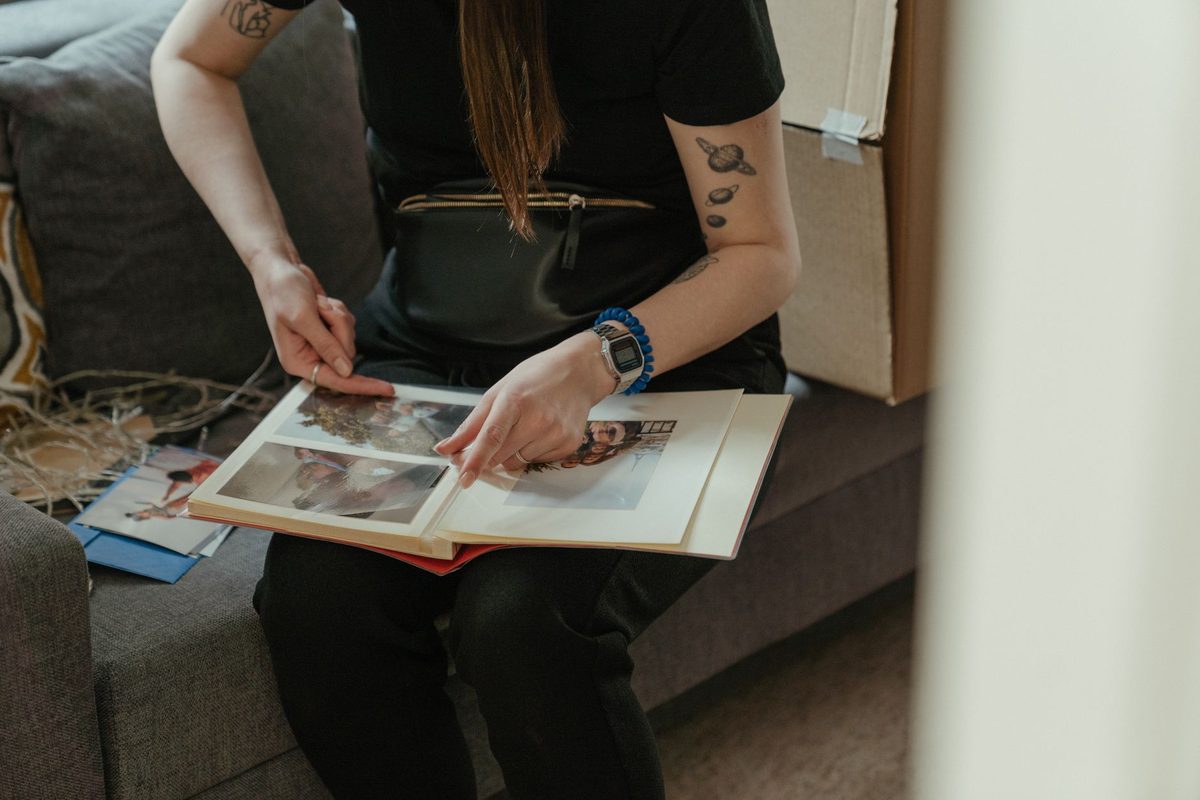
When a studio session did not happen
Plenty of households never get a studio newborn session. The timing was tight, a baby was unwell, the nearest photographer was a long drive, or a sitting was more than you wanted to spend. The first weeks then disappear into ordinary days, and the only record is the phone. That is common, and it is not a failure.
You still have useful choices. You can print a small set from the shortlist and stop there. You can plan a later session at home, when the baby is a little older and the household is more rested, or book a family photographer when it suits you. Check any photographer's current prices and availability on their own page; do not rely on a figure remembered from someone else's booking.
If you would rather have a few of the pictures you already took finished as portraits, rather than arranging a new sitting, that is another path. Everlittle makes AI portraits from photos you already have, and they publish a short guide to newborn photos at home. Disclosure: Everlittle is run by someone connected to this blog. That is one option among several, not a requirement. If you use any service that works from existing photos, read what they ask you to send, and how they describe the result, on their official page before you decide.
A later, ordinary family photo — in the backyard, on a veranda, or in the same living room where most of the camera-roll pictures were taken — can also close the gap. It will not look like a first-week studio session, and it does not have to.
A light monthly habit
The roll becomes a problem when it is left for a year and then faced all at once. A light monthly habit is enough: twenty minutes to shortlist that month, a quick check that the backup is still running, and optionally one small print order.
This is a small, repeatable step, not a weekend overhaul. If you miss a month, pick up at the current one. If you already keep a homework corner or a clear stretch of table, that same surface works for a shortlist session once the school books are packed away.
What you can leave alone
You can leave the slightly soft pictures that you still like, and the pressure to turn the first months into a large, designed project. What is worth doing is narrower: keep a copy off the phone, choose a short list, and let a few of those pictures into the house — as a print, a page in an album, a frame, or a later sitting if you still want one. The camera roll can then go back to being a roll, not a task that follows you around.