School holiday mornings that do not default to screens
A simple, low-cost morning plan for Australian school holidays, so the day does not start with a screen by default and nobody has to run a holiday programme at home.
School holidays in Australia often arrive in warm weather, with adults still working and children suddenly at home for long mornings. A screen is the easiest default, and sometimes it is a reasonable one. The problem is when every morning starts that way because nobody planned a first hour, and then the day feels both overstimulated and oddly empty.
This is a modest plan for the first part of a holiday morning. It is not a camp schedule and it does not require craft supplies for a classroom. It assumes an ordinary home, a mix of ages, and the fact that some days will still include a film or a game.
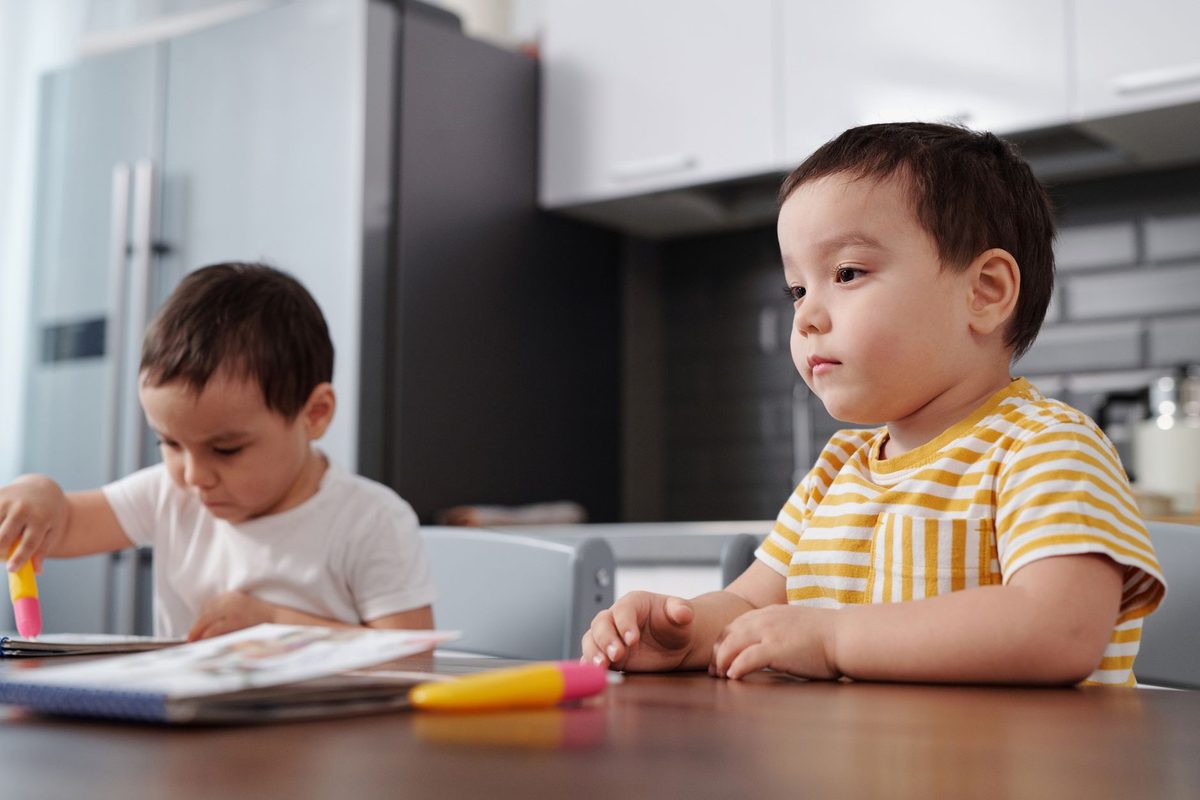
Decide what the morning is for
It helps to name the job of the first two hours. For many households it is some mix of: let the working adult start their day, get people fed, get bodies moving a little, and delay the first screen so it is a choice rather than a reflex.
Write a short, visible list for the holidays — on the fridge is fine — with three columns: breakfast, a morning activity, and "then we decide". The third column is important. A plan that tries to fill the entire day will collapse by Tuesday.
If children are old enough, they can help fill a jar of morning options at the start of the holidays. Keep the options realistic: things you already own, or places you can reach without a special outing every day.
Build a short menu of no-screen starts
Aim for activities that can start without an adult running a session for an hour. A good test: can this begin in ten minutes, with a clear way to finish?
Indoor options that usually work:
- Drawing, collage or playdough at the table, with a wipeable cloth down first
- Building (blocks, Lego, magnetic tiles) on a mat that defines the mess
- A card game or a simple board game with a time limit
- Reading or audiobooks on a sofa, perhaps while an adult has a coffee
- Baking something ordinary, like muffins or pikelets, if you have the energy and the kitchen is safe
- A "reset job" done together: putting shoes at the door, watering pots, making beds. Keep it short so it does not feel like a punishment for being on holiday
Outdoor options, weather allowing:
- A walk around the block or to a local park before the heat builds
- Water play in a shaded part of the yard or balcony, with towels ready
- Chalk on a path, a ball game, or hanging washing out together (less glamorous, still a morning)
In a Brisbane summer, outdoor time is often better earlier than you think. A short outing at eight can be more comfortable than a longer one at eleven. On days of high heat or poor air quality, stay inside and treat that as good judgement, not a failed morning.
Use a timer instead of a vague "later"
Screens are harder to manage when they start "just for a bit" and have no end. If you are going to offer a show or a game, put it after the first block and give it a clear finish. A timer in the kitchen is less personal than an adult standing over a device.
A pattern that many families can live with:
- Breakfast and get dressed (even on holidays; it quietly marks the start of the day).
- One chosen morning activity, about 30 to 60 minutes.
- A snack, then a screen block with a set end, or a quiet independent activity if a screen is not needed that day.
On some mornings the activity will fail and the screen will come earlier. That is a holiday, not a collapse. The aim is a default that is not a screen, not a perfect record.
Prepare the night before, lightly
Holiday mornings go better if a few things are already decided:
- Breakfast is simple and repeatable (toast, fruit, cereal, leftover muffins)
- The activity caddy or box is in one place
- Water bottles are clean
- If you are going out, shoes and hats are by the door
- Someone has checked the weather and, if relevant, any park or pool updates on the official page
This is ten minutes in the evening, not a lesson plan. If you have already set up a homework corner for term time, the same table and caddy can switch jobs in the holidays. The surface stays; the contents change.
Share the load if more than one adult is around
A holiday morning often fails because one person is expected to be entertainer, cook and worker at once. If another adult is home, split the first block: one handles breakfast and the start of play, the other takes a work or chores block, then swap. If you are on your own, lower the ambition of the activity and protect one short stretch of quiet for yourself after the first block, even if that quiet is just a cup of tea while a timer is running.
Older children can be given a real job for a younger one — starting a game, reading aloud, setting the table for morning tea — so long as it is framed as helping, not as unpaid childcare with no end. Keep those stretches short and specific.
What to ignore
You can ignore elaborate themed days, printed planners with every hour filled, and the idea that a "good" holiday is a sequence of outings. Children remember a backyard sprinkler and a stack of library books at least as clearly as a packed itinerary. Library membership, if you have one, is one of the best low-cost holiday tools in any Australian city: air-conditioning, new books, and often a free holiday activity you can check on the library's own site rather than assuming it is on.
A school holiday morning does not need to be special. It needs a start that is not automatic, a room that can be reset, and enough flexibility that a hot, tired or rainy day still has a decent first hour. If the afternoon then includes a screen, it will sit in a different place in the day — after something else has already happened.