A calm weeknight dinner when everyone gets home at different times
A simple Brisbane weeknight dinner plan for households whose people arrive home in a staggered rush, without cooking two sittings from scratch.
A lot of weeknight advice assumes the household sits down together at half past six, with someone free to cook from five. Plenty of Australian families do not live like that. One person finishes work at a shop or a job site. Another is still on the train. A child has sport, tutoring or a later school pickup. Dinner becomes a problem of timing, not of recipes.
This is a plan for that kind of evening. It is not a meal-prep programme and it does not ask you to cook twice. The aim is one simple dinner that can be eaten in two or three sittings without tasting like leftovers, and a kitchen that can be closed at a reasonable hour.
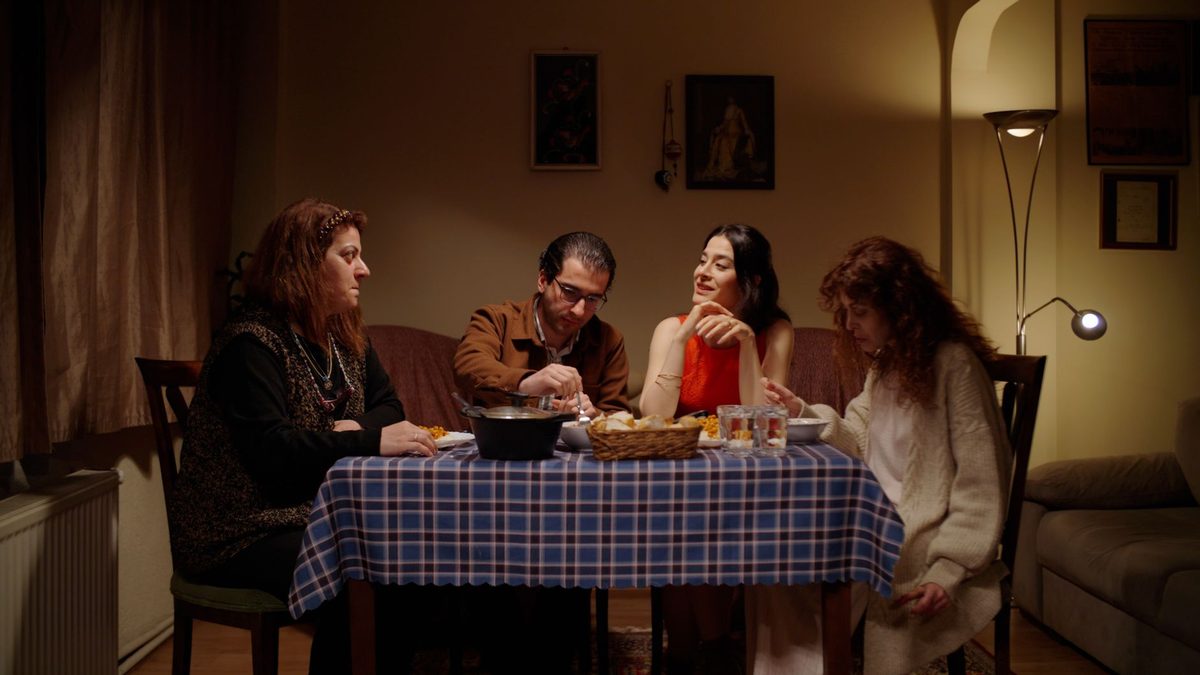
Start with the shape of the night, not the recipe
Before you think about what to cook, look at the actual times people walk in the door. On a typical school term weeknight in Brisbane, that might be a first arrival around five, a second closer to six, and a late one after sport. The useful question is not "how do we all eat together?" It is "what can be ready for the first person without spoiling for the last?"
Three patterns cover most nights:
- A base that holds. Rice, pasta, baked potatoes, a tray of roasted vegetables, or a simple soup. These wait quietly.
- A protein you can finish in minutes. A pan of eggs, leftovers from a roast, tinned beans, or something already cooked that only needs reheating with a splash of water so it does not dry out.
- A fresh, cold side. Salad, sliced cucumber and tomato, leftover corn, or cut fruit. This is what makes a later sitting feel like dinner rather than a raid on the fridge.
If the late person will be more than about an hour behind, keep their plate out of the oven. Oven-warming dries food out. A lidded pan on a very low heat, or a microwave with a splash of water and a cover, is usually kinder.
Choose dinners that survive a stagger
Some meals collapse if they are not eaten at once. A crumbed schnitzel goes sad. A stir-fry overcooks when you try to hold it. A soufflé is a weekend project. For staggered nights, pick food that is meant to sit.
Good candidates, all ordinary supermarket cooking:
- A tray bake of vegetables with sausages or chickpeas, which you can keep loosely covered
- Spaghetti with a tomato sauce, pasta and sauce stored separately so the late plate can be assembled fresh
- Tacos or wraps, with fillings in bowls, so each person builds their own when they arrive
- Fried rice using last night's rice, with extra vegetables stirred through for whoever is last
- Jacket potatoes with toppings in small bowls
- A simple dhal or vegetable curry with rice, which often tastes better after it has rested
You do not need a new recipe every night. A short household list of five or six "stagger dinners" is enough. Rotate them. The calm comes from not deciding from scratch at 5:10 pm.
Use a two-temperature rule
Hot food should be either properly hot or cooled and stored, not left in the middle. Food safety advice in Australia is consistent on this: do not leave cooked food sitting out for long in a warm kitchen. In a Queensland summer the kitchen is often still warm at seven o'clock.
A practical household version of the rule:
- Serve the first sitting straight away.
- As soon as you can, put the rest into shallow containers and refrigerate.
- Reheat the late plate until it is steaming hot, or serve a part of the meal cold if it is meant to be cold (salad, wraps, some rice dishes once cooled safely).
If that sounds fussy, it is still simpler than cooking a second dinner. It also means you are not hovering over a pot for an hour.
Set the table once, even if people eat in turns
The evening feels less like a canteen if the table is already set. Plates, water, a serving spoon, and the cold sides can go out when the first person is ready. Later arrivals sit down to a table that looks like dinner, not a bench covered in school bags.
A small habit helps: bags and keys have a place that is not the table. If the only clear surface is where you eat, every late arrival has to move a pile before they can sit. A hook, a basket by the door, or a chair that is allowed to be messy is enough.

Give the cook a finishing time
Staggered dinners often punish the person who cooks, because they stay on duty until the last plate is reheated. Decide, in advance, when the kitchen closes. For many households that might be 7:30 or 8:00 pm on a school night. After that, the late person can reheat their own plate, following the same simple steps: lid, splash of water, heat until steaming.
This is easier if the leftovers are already in a labelled container at the front of the fridge, not hidden behind condiments. A sticky note that says "Tue dinner" is unsophisticated and very effective.
If you have children old enough to heat food safely, teach one method and use it consistently. If they are not, keep the late plate as a cold option (a wrap, a pasta salad made from the same dinner, yoghurt and fruit) so nobody is using the stove half-asleep.
What to do about the wish to eat together
Eating together is worth protecting when you can. It does not have to be the hot meal. Some households eat a small shared something at the same time — fruit, toast, a cup of tea — even if the main meal was staggered. Others pick one or two nights a week when times are aligned, and stop trying to force the other nights into the same shape.
Sunday can carry some of the weight: a slower meal, leftover portions packed for Monday, and a slightly clearer week. It is not a moral failure if Wednesday cannot look like Sunday.
A short starter plan for this week
If you want to try this without overhauling anything:
- Write down actual arrival times for three weeknights, not the times you wish people got home.
- Pick two stagger-friendly dinners you already know how to cook.
- Cook one base that can serve both sittings (rice, pasta or a tray of vegetables).
- Set the table once. Pack leftovers within a short time. Reheat late plates until hot.
- Set a kitchen closing time and stick to it for a week.
That is enough. The goal is not a perfect family dinner. It is a weeknight that does not fray just because the front door kept opening.
If you want a related small-space idea, the homework corner post on this blog looks at how to keep one clear surface in a home that already has to do a lot of jobs after school. Dinner is easier when the table is not also the desk, the craft station and the dumping ground for the day.